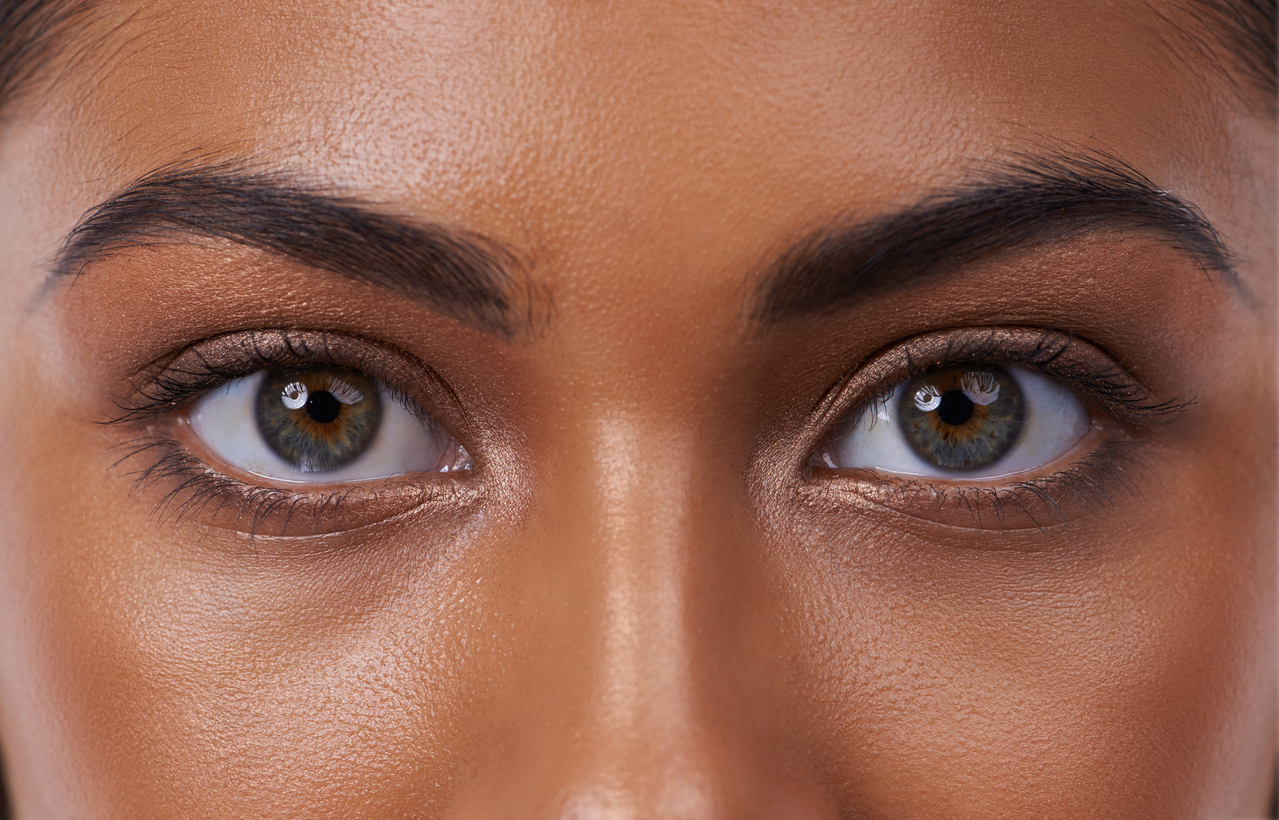
A tired-looking upper face is one of the most common concerns that brings patients to Hessler Plastic Surgery, and the brow is almost always part of the story. As the forehead ages, the skin and soft tissue gradually descend, pulling the brows lower and creating a heaviness around the eyes that can read as fatigue, sternness, or simply more years than you feel.
In this blog, Dr. Jill L. Hessler, MD draws on her experience as a double board-certified facial plastic surgeon to walk you through both the surgical and non-surgical options available at her Palo Alto practice.
Why the Upper Face Looks Tired
A tired upper face can come from two distinct issues, and sometimes both at once:
- Brow ptosis: The eyebrow has descended below its natural position, flattening the arch and weighing down the eye area.
- Upper eyelid laxity: Excess skin on the upper eyelid creates hooding that has nothing to do with brow position.
Treating the wrong issue produces underwhelming results. A thorough consultation that evaluates both the brow position and upper eyelid anatomy is essential.
Non-Surgical Brow Lifting: Injectables
For patients in the early stages of brow descent, neuromodulators like BOTOX®, Dysport®, and XEOMIN® can provide a subtle but meaningful lift. By selectively relaxing the muscles that pull the brow downward, the injections allow the forehead's lifting muscles to elevate the brow without resistance. The result is a more open, refreshed eye area with no downtime.
Injectable brow lifting can offer:
- Subtle brow elevation, particularly in the outer portion
- Softening of forehead lines and frown lines simultaneously
- No incisions, no anesthesia, no recovery period
- Results that typically last three to four months
Placement is everything. Product in the wrong location can flatten the brow rather than lift it, which is why the clinical team at Hessler Plastic Surgery approaches every injectable treatment as a fully customized plan, never a standing formula.
Surgical Brow Lifting: When You Want a Lasting Result
For patients with more pronounced brow ptosis, brow lift surgery offers what injectables can't: a repositioning of the tissue itself. Dr. Hessler performs several techniques, selected based on each patient's hairline, degree of descent, and goals.
- Endoscopic brow lift: Several small incisions hidden within the hairline allow Dr. Hessler to visualize and reposition the forehead tissue using a tiny camera. It's the go-to approach for minimal scarring and recovery time, with natural-looking elevation and no damage to surrounding tissue.
- Indirect brow lift: The incision is placed within a forehead crease, allowing Dr. Hessler to remove excess skin and fat. This is a strong option for patients with a receding hairline, sagging brows, or deep forehead wrinkles.
- Direct brow lift: An incision just above the brows allows Dr. Hessler to remove a small amount of muscle and fat for precise, targeted correction.
- Temple brow lift: A smaller, more limited procedure using a single incision above the ear to elevate the outer brow, refresh the lateral eye area, and soften crow's feet. It suits patients who want a subtle outer-brow correction without more extensive surgery.
Most patients can return to work within 3 to 5 days, with final results visible around the 4-month mark.
Ready to Refresh Your Upper Face? Start with a Consultation
As a double board-certified facial plastic surgeon, Newsweek Top Plastic Surgeon, and Castle Connolly Top Doctor, Dr. Hessler is among the most recognized upper-face specialists in the Bay Area. She will assess your anatomy, understand your goals, and recommend only what your face actually needs. Schedule your consultation at Hessler Plastic Surgery in Palo Alto today.