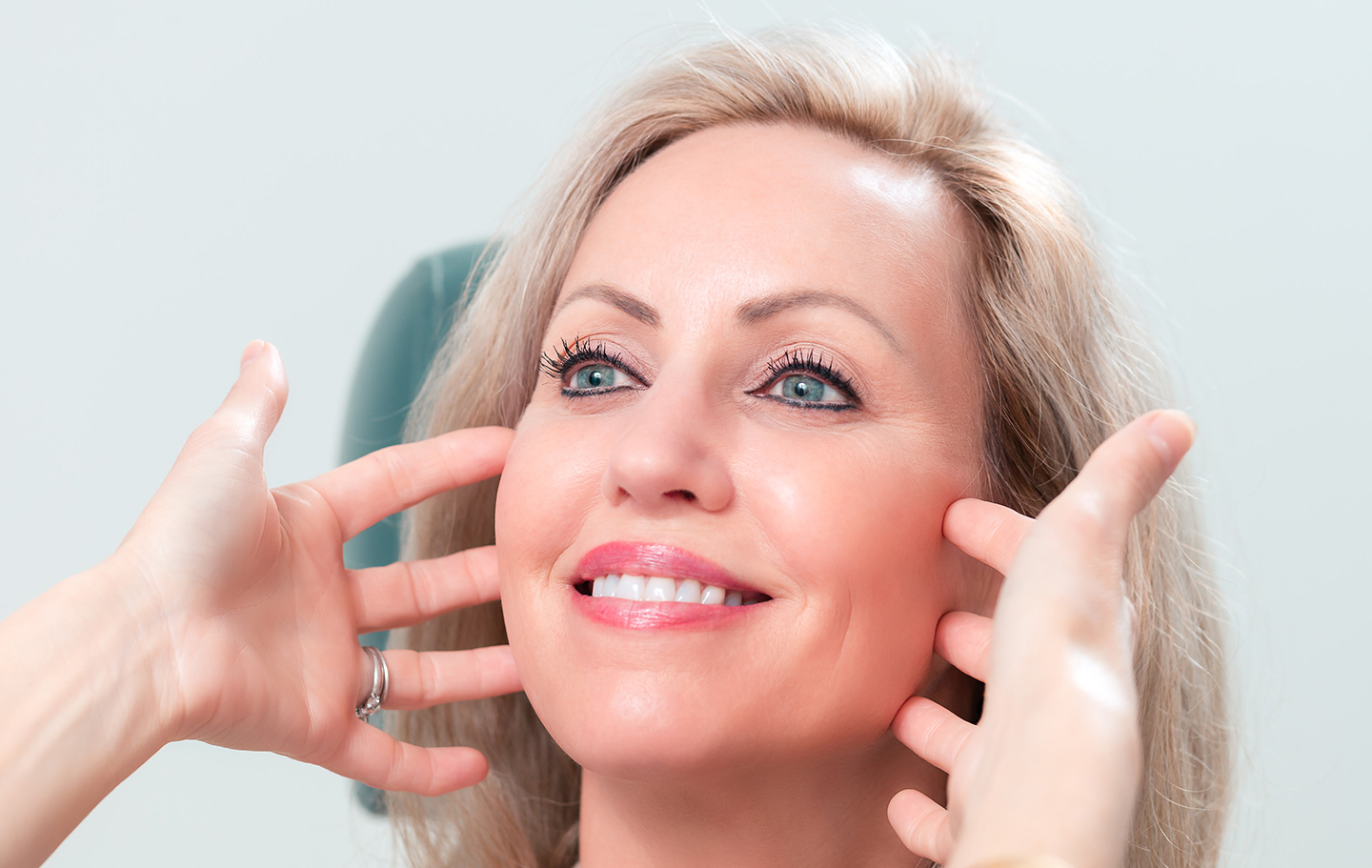
Yes, Ultherapy can effectively reduce early jowls and improve jawline definition by stimulating collagen production deep within the skin's foundational layers. This FDA-cleared treatment lifts and tightens sagging tissue without surgery or downtime.
As a double board-certified facial plastic surgeon who rigorously tests and vets every device before offering it to patients, Dr. Jill Hessler brings over a decade of experience in non-surgical facial rejuvenation to help you determine if Ultherapy is right for your concerns.
In this blog, we'll discuss how Ultherapy addresses early jowling, what results you can expect, who is an ideal candidate, and how this treatment compares to other jawline-tightening options.
Understanding Early Jowls and Jawline Laxity
Jowls develop when skin and soft tissue along the lower face begin to sag below the jawline, creating a less defined facial contour. This common sign of aging often appears in the late 30s to early 50s and can make you look older or more tired than you feel.
Factors that contribute to early jowling:
- Collagen loss: Natural decline begins in your mid-20s, accelerating with age.
- Gravity: Continuous downward pull on facial tissues over time.
- Genetics: Family history plays a significant role in how and when jowls develop.
- Sun exposure: UV damage breaks down collagen and elastin fibers.
- Weight fluctuations: Repeated gain and loss can stretch skin and reduce elasticity.
- Lifestyle factors: Smoking and poor nutrition accelerate skin aging.
How Ultherapy Works to Define the Jawline
The science behind Ultherapy's effectiveness:
- Micro-focused ultrasound: Delivers targeted energy to precise depths (1.5mm, 3mm, and 4.5mm).
- Thermal coagulation points: Creates controlled micro-injuries that stimulate healing.
- Collagen stimulation: Triggers new collagen production over the following months.
- Real-time imaging: Ultrasound visualization allows practitioners to see tissue layers during treatment.
- No surface damage: Energy bypasses the epidermis, eliminating surface wounds or scarring.
- Gradual lifting: Results develop naturally as new collagen forms and matures.
Ultherapy is cleared for non-invasive lifting of the eyebrow, neck, submentum (under the chin), and décolletage.
What to Expect During Treatment
The Ultherapy treatment experience includes:
- Consultation first: Dr. Hessler evaluates your concerns and determines if Ultherapy will address your specific needs.
- Cleansing: The treatment area is thoroughly cleaned before application.
- Ultrasound gel: A smooth gel is applied to help transmit ultrasound energy.
- Imaging: Real-time ultrasound allows visualization of tissue layers for precise energy delivery.
- Energy delivery: You may feel brief sensations of warmth or tingling as energy reaches targeted depths.
- Comfort measures: Over-the-counter pain relievers or other comfort measures may be recommended.
- No downtime: You can return to normal activities immediately after treatment.
Results Timeline and Expectations
Ultherapy results develop gradually as your body produces new collagen, a process that unfolds over several months.
According to a study published in the Journal of Drugs in Dermatology, patients typically notice noticeable improvement within 2 to 3 months, with continued improvement for up to 6 months.
Your results timeline could look something like this:
- Immediate effects: Some patients notice subtle tightening right away due to tissue response.
- Two to three months: Visible lifting and improved definition become apparent.
- Three to six months: Optimal results emerge as collagen continues maturing.
- Duration: Results typically last one to two years, depending on individual aging factors.
- Maintenance: Annual touch-up treatments can help sustain results over time.
- Realistic expectations: Ultherapy provides modest lifting; it does not replicate surgical facelift results.
Ideal Candidates for Ultherapy Jawline Treatment
Characteristics of ideal Ultherapy candidates include:
- Mild to moderate laxity: Early jowling or loss of jawline definition rather than significant sagging.
- Good skin quality: Healthy skin responds better to collagen-stimulating treatments.
- Realistic expectations: Understanding that results are subtle and gradual, not dramatic.
- Non-surgical preference: Patients who want improvement without incisions or extended recovery.
- Ages 30-65: Typically the age range that benefits most, though individual evaluation is essential.
- Overall good health: No conditions that impair healing or collagen production.
Those with significant jowling or substantial skin excess may achieve better results with surgical options such as a facelift or neck lift. During your consultation, Dr. Hessler will honestly assess whether Ultherapy can meet your goals or if alternative treatments would be more effective.
Schedule Your Ultherapy Consultation
If you're noticing early jowling and wondering whether Ultherapy can restore your jawline definition, Dr. Hessler will provide a thorough assessment and honest recommendations.
Contact us today to schedule your consultation in Palo Alto, San Jose, or the Bay Area.